ideas festival | spring gathering
forming a shared space of inquiry that explores less human-centric ways of engaging in our professions, practices, and institutions.
april 8, 9, 10, 2026
april 8, 9, 10, 2026
participant details
-
Adam Vackar is a visual artist investigating how ecological processes and nonhuman agencies reshape cultural and political imaginaries. He explores multispecies relations through invasive plants, particularly Giant Hogweed (Heracleum mantegazzianum), understood as both biological force and cultural construct. Adam Vackar examines how categories such as “invasive” and “native” are produced, contested, and mobilized across scientific discourse, political regulation, and symbolic economies. Working across film, installation, sculpture, photography, and writing, Vackar develops research-driven projects that challenge anthropocentric frameworks and dominant modes of ecological knowledge.
Adam Vackar is currently a Fulbright Fellow and conducts research at the Synthetic Ecosystems Lab, Parsons School of Design. Concurrently, he is a participant in the New Museum’s NEW INC Y12 Creative Science Mentorship Program and a PhD candidate (Brno University of Technology). He holds an M.A. from the École Nationale Supérieure des Beaux-Arts in Paris.
His work has been profiled in the Artforum, Flash Art, Art Net, Tique, and others. His work has been exhibited internationally, including presentations at S.M.A.K., Centre Pompidou, Palais de Tokyo, Kölnischer Kunstverein, Museum Morsbroich, the National Gallery Prague, City Gallery Prague, FRAC Occitanie Montpellier, FRAC Champagne-Ardenne, FRAC Franche-Comté, solo presentation at Art Basel (Statements), and other venues.
-
Dr. Abigail Perez Aguilera is an Assistant Professor of Environmental Policy and Sustainability Management at The New School. Her work intersects on environmental justice, environmental humanities, multispecies relations and how expert knowledge, scientific communities create spaces for dialogue towards an environmental justice. Her most recent work is titled “Affective Multi-Species Resistance as Radical Imaginations” published in an edited volume by Bloomsbury in 2023. As part of her research she will published the article “The End of Nature and the Human: A Global South Ecofeminist Approach to the Anthropocene” in the edited volume titled “Critical Environmental Reflections in the Anthropocene: Making Sense of Nature” to be published in 2024 by Taylor and Francis. She has co-authored the following articles; “Decolonize, ReIndigenize: Planetary Crisis, Biocultural Diversity, Indigenous Resurgence and Land Rematriation” (2021) in the edited volume Contesting Extinctions: Critical Relationality, regenerative futures. Recently, she co-organized a panel discussion titled “Uncommon Collaborations: Bringing Humanities and Sciences Together for Planetary Healing (II) for the Biennial conference of the Association for the Study of Literature and the Environment (ASLE). This panel was part of her work for the Humanities for the Environment Latin American Observatory Panel. As part of the panel, she presented a paper titled “Mapping the Body-Territory to Restore the Commons: A Multidisciplinary Approach from Latin America”
-
AC Diamond is a sound and media artist working across live performance, creative technology, and archives. Their work takes place in galleries, theaters, DIY venues, unconventional venues, and public spaces. Active since 2009, AC holds an MFA in Electronic Music and Recording Media from Mills College and a BA from Bennington College, and currently serves as Adjunct Faculty in Music Technology at NYU Steinhardt. AC’s work has been supported by a NYFA/NYSCA Fellowship in Music/Sound (2022-23) and a Van Lier Fellowship at Roulette Intermedium (2020), as well as grants from NYSCA/Wave Farm, the Foundation for Contemporary Art, and Antisocial Music. They also run an media archiving studio called Critical Interval (critical-interval.net).
-
Andrea Haenggi (she/they) is a Swiss-born choreographer, transdisciplinary artist, embodied scientist, and dancer-improviser working between New York City and Switzerland. She developed a body-based research practice she calls ethnochoreobotanography. Grounded in improvisational movement, dance and ecological fieldwork, her place-based work is directed by land, water, plants, and more-than-human kin, with humans joining as collaborators. She is the co-founder of the Environmental Performance Agency (EPA) and the Hydrofeminist Map Collective. Her work centers care and interdependence, cultivating practices of attention, responsibility, and shared life beyond extractive and settler logics. Websites: weedychoreography.com and environmentalperformanceagency.com IG:andrea_haenggi
-
Cagla Ekinci is an MFA Interior Design student from Ankara, Turkey, with a background in architecture. Her design research focuses on creating experiential spaces that ground people through sensory engagement, exploring visual and acoustic atmospheres with bio-based materials, particularly mycelium. Her work investigates multispecies entanglements by exploring how humans, fungi, materials, and environments co-produce spatial experience through processes of growth, decay, and interdependence.
-
Camilo Trujillo is a Colombian architect and interior designer based in New York City, with over a decade of experience working across Colombia, Mexico, and the United States. His practice bridges architecture and interiors, with a focus on material processes, scale, and how spaces are shaped through use and time.
His current research focuses on material experimentation, maintenance, and weathering, using design as a way to understand how spaces age, adapt, and hold memory over time. Originally from Bogotá, his practice is informed by working across geographies, languages, and cultural contexts, shaping how he thinks about space as something that communicates, adapts, and is lived in on an everyday level.
-
I am a visual artist, writer, performer, and ecological designer. I work as an independent researcher and am interested in the intersections of creative practice and scientific inquiry. I often examine the boundaries and relationships between earth and body, seeking to understand complex dynamics between the built environment and ecological habitats. Recently, exploring mushrooms and mycelium as a map, cartography, or model in nature for understanding properties of emergence. My current works draw upon explorations of place and belonging in relation to nature, land, water, sound, funga, and my cultural identity as first-generation Mexican American.
-
Dominic Pettman is University Professor of Media and New Humanities. He has held previous positions at the University of Melbourne, the University of Geneva, the University of Amsterdam, and the American University of Paris. His courses explore posthumanism, critical theory, Continental Philosophy, cultural studies, digital culture, animal studies, sound studies, new media, environmental humanities, and affect theory.
His most recent book is Sad Planets, co-authored with Eugene Thacker - a series of meditations on the "sad passions" associated with cosmic scale, (inter)planetary influence, climate change, and environmental crises.
-
Genevieve is a PhD Candidate in Environmental Science, Studies, and Policy at the University of Oregon. She holds an interdisciplinary Masters from New York University, and an MFA in poetry from Sarah Lawrence College. Her dissertation considers the onto-epistemological processes of abstraction required by emergent technologies, particularly in interpreting animal communications. She aims to understand better emergent technologies’ promises and perils, and how they might blend with embodied practices. She hopes to publish her poetry manuscript, Another Gravity, soon. Her poetry and writing has been published in Scientific American, NYU’s MOTH Ideas Hub, Canary, Salamander, About Place, and others.
-
Ines Montalvao is a multidisciplinary creative and Program Director at Artists with Evidence (AwE), an art–science nonprofit advancing evidence-based, interdisciplinary approaches to urgent planetary questions. She curates conversations, public programs, and installations that bring artists, scientists, hybrid practitioners, and the public into dialogue, fostering less human-centric frameworks for knowledge and care. With a background in natural sciences and exhibition design, she has collaborated with international institutions and co-founded Mandarina Collective and Lingua Plantae. In her own practice, she explores futures thinking, individual and ecological pain, care, and multispecies entanglements through illustration, sound, writing, and narrative environments.

-
She graduated from the Middle East Technical University, Department of Architecture in 2021. Following her undergraduate studies, she completed her Master's degree in Architectural Design at Istanbul Technical University in 2024, submitting her thesis titled "Those are Neglected within the Framework of Anhropocene and their Revival on Architecture as a New Understanding of the Aesthetics". She is currently pursuing her PhD in Architectural Design at Istanbul Technical University. Since 2022, she has been working as a research assistant in the Department of Architecture at MEF University.
-
I a philosopher, cultural theorist, and curator of visual and sonic art. An interest in contemporary art led me to 19th through 21st century European philosophy, which I have taught and written about for many years along with wider topics in metaphysics, epistemology, and social and political philosophy. Since the mid-1990s, I have written on music and art for magazines such as Artforum and The Wire, and have curated exhibitions at The Kitchen, Contemporary Arts Museum Houston, The Artists Institute, and other venues. I am editor-at-large at Cabinet magazine and received an Arts Writers Grant from Creative Capital/Warhol Foundation. I teach courses on power, posthumanism, audio culture, sound art, photography, relativism and realism, philosophy as a way of life, and many other topics in contemporary thought and culture
-
Esra Sert is Assistant Professor of Architecture in the Faculty of Art and Design, MEF University, Istanbul. Prof. Sert's research spans urban ecology, urban metabolism, urban environmental history, alternative architectural practices, ethics in design, and the labor processes of architecture. She engages theories and methods of mapping as a way to analyze the spatial imprints of coastal metabolic flows, tracing features such as water, soil, urban voids, coal, oil, iron, and cement. While in residence at the Lab, Prof. Sert will focus on this work, drawing comparisons between the estuaries of Istanbul and New York City.
-
We encompasses the ideas of rediscovery, appreciation, and sustainability for Madagascar biodiversity to Globally.
@dago_collective is a community weaving initiative of @zouzoudago @fash_rev_madagascar
We explore the theme of “regeneration” in fashion linked to biodiversity loss.
We are a systemic and collaborative platform. We push the definition and narratives!
We are an Impact Community Network for Systems Change.
We envision and co-create in an interconnected community network of conscious creators, designers and artists based all around the world for research and innovation.
DAGO use a truly holistic approach. « Acting locally for a shared global goals! »
With our innovative, playful methodology and unique curation, we deliver workshops and bring together people with diverse skills and expertise to tackle complex issues. Our scope goes not only beyond circular products or soils regeneration... but further to practices that encompass to community-wise, economy and overall participation for a regenerative future!
This involves critical thinking... and questioning innovations and technologies, knowing that they are never neutral...
SAVE OUR SOILS!
-
Christine is a designer, maker, and founder of Modest (www.thisismodest.org), a design and education initiative advancing regenerative design. Modest’s goal is to connect makers in the United States with craft communities in tropical forest regions to support diversified, managed reforestation systems through the cultivation and use of plant-based materials in design. The work creates alternative economic opportunities to ranching — the leading driver of deforestation in the Americas — and is carried out in partnership with local nonprofits, communities, professional makers, and design students.
-
Erewyn Limric is a Filipino-American artist from Puyallup, Washington whose interdisciplinary work explores the creative nature of the universe. Limric attends Parsons School of Design and studied at the University of the Arts, London. Limric has exhibited work in New York City, London, Seattle, and the U.S. Capitol. In 2024 she assisted with the restoration of Notre Dame Cathedral in Paris.
-
I am an architectural designer currently pursuing a Master of Architecture (M.Arch – Advanced Placement, NAAB) at Parsons School of Design, The New School, New York. I hold a Bachelor of Architecture from B.K.P.S. College of Architecture, Pune, and have professional experience across architectural practice, design consultancy, product design, and academic tutoring. My work spans urban inserts, housing, interior environments, heritage-focused proposals, and child-centric product design, with experience in both Indian and U.S. contexts.
My research interests lie in human-centered design, urban systems, and the intersection of digital technologies with architecture, particularly computational design, advanced modeling workflows, and immersive spatial representation. I am interested in how tools such as Rhino, Grasshopper, Revit, and real-time visualization can inform sustainable, context-sensitive, and socially responsive design solutions. I approach design as a research-driven process—balancing conceptual clarity, technical rigor, and experimentation—while engaging contemporary questions around urban density, material systems, and future modes of habitation
-
Clare Stott’s practice is a calculated "unravelling" of a 24-year microbiology career to interweave a feral, speculative art-science. Informed by an MA in Art in Science (LJMU, 2023), she deconstructs the “Visibility Trap”—the human-centric bias favoring microbes that "perform" on agar within traditional laboratory settings.
Through her methodology of Pseudoness, Stott employs strategic inaccuracy and "wilful silliness" to sabotage her internal scientist’s demand for accuracy. This creates a generative space to honour the 99% of unculturable “microbial dark matter” that evades human-centric protocols. A presenter at FEMmeeting (2024) and contributor to the Feral Labs Node Book (Fa Fa Futures, 2026), her art serves as a non-lethal apparatus for attuning to the invisible, the unnamed, and the unculturable.
-
Eva Perez de Vega is an architect, designer and educator, co-founder of e+i studio a multispecies design practice based in Chinatown NYC. She holds a master’s and bachelor’s degree in architecture from the Polytechnic University of Madrid, School of Architecture (ETSAM) specializing in Building Structures and has a PhD in Philosophy from the New School For Social Research, with a certificate in Gender and Sexuality Studies (GSS). She also has professional training from the Martha Graham School of Contemporary Dance in New York.
At the New School she leads the multispecies lab collective, a cross-disciplinary initiative that explores design and research through a more-than-human lens.
-
Ian MacPherson is a Master's student in Environmental Policy and Sustainability Management at Parsons School of Design at The New School, where he researches urban futures, multispecies relations, and systems-in-flux. His experience spans public policy, sustainable development, architecture, and cultural heritage. He has consulted for World Monuments Fund, designed religious reconciliation landscapes in Morocco, and assisted in the uncovering of ancient Afidna. Ian’s current work focuses on developing climate risk models for New York’s multifamily housing sector, downscaling embodied carbon and energy in community planning, and protecting urban heritage in coastal resiliency projects along the Pacific Rim.
-
John Roach is an interdisciplinary artist with a particular interest in sound and multisensory experience who builds environments that blur the line between what we see and what we hear. His work moves fluidly between intermedia installation, radio transmission, performance, object-making, and image-making. It is guided by a playful embrace of uncertainty - something that is often fully activated through collaboration. Many projects focus on themes related to ecological systems, biodiversity, and climate, such as the installation Scorched Honey Archive about the complex interconnections between humans and pollinators that was exhibited at NARS and BioBAT galleries in Brooklyn, NY.
-
James Trybendis is a PhD Candidate in philosophy at The New School for Social Research. His work explores questions of voice and listening at the intersection of moral philosophy, epistemology, and philosophy of mind. He is currently completing a dissertation titled “From Vision to Voice: Murdochian Moral Perception and What it Means to Listen,” which advances an account of moral perception grounded in practices of listening, arguing that the voice constitutes a distinctive site of moral perception. He has presented research on environmental ethics, animal ethics, imagination, timbre, and the philosophy of music.
-
Jackie Gallant is a lawyer and the Director of Programs at the NYU MOTH Program. At MOTH, she leads legal actions and programs which address major ecological challenges, like climate change, and pressing questions concerning legal, political, and cultural relationships with the more-than-human world. Jackie holds a JD (cum laude) from NYU School of Law and a BA (magna cum laude) in International Relations from Brown University.
-
Jane Pirone is an Associate Professor of Design Ecologies at Parsons School of Design. Their creative and transdisciplinary practice engages with living systems, new technologies, speculative fabulation, and participatory futures from critical, queer and post-human perspectives. They are a co-founder of Collective Effervescence, which co-designs and facilitates generative spaces as a mode of social practice fostering collaborative, creative, and critical capacities.
Jane is currently serving on the advisory board and steering committee of the Biodesign Challenge & BDC Symposium, has been an Affiliated Fellow at the American Academy in Rome, a Creative in Residence at Robert College in Istanbul, Turkey, and a Fellow at the Heilbroner Center for Capitalism Studies in New York City.
-
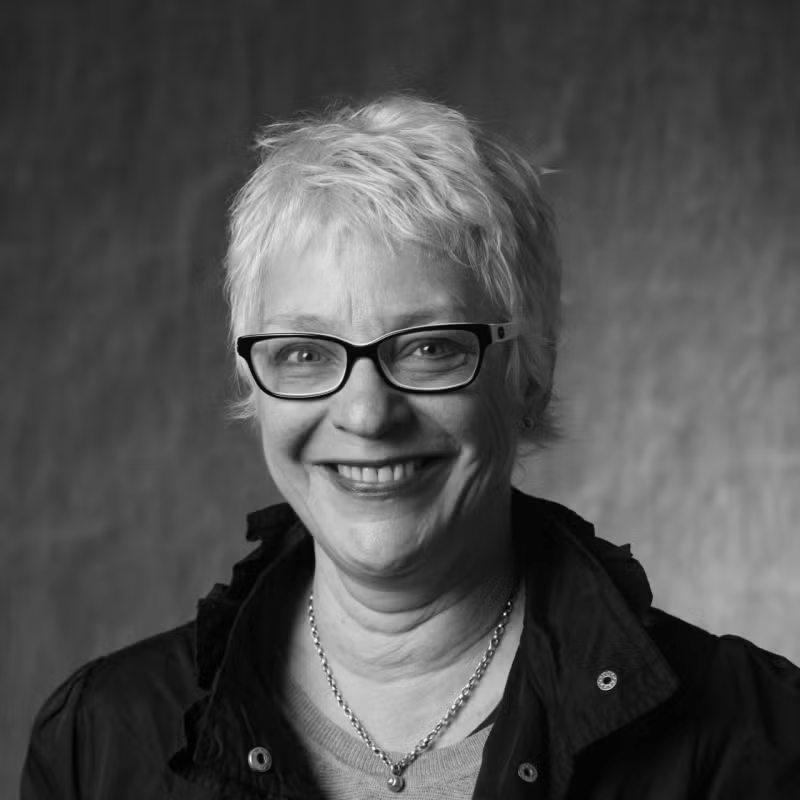
Kathy High is an interdisciplinary artist working with technology, art and biology. She collaborates with scientists and artists, and considers living systems, empathy, animal sentience, and the social, political and ethical dilemmas of biotechnology and surrounding industries. She has received awards from the Guggenheim Foundation, Rockefeller Foundation, and National Endowment for Arts. High is Professor in Arts, and has a lab at the Center for Biotechnology and Interdisciplinary Studies, Rensselaer Polytechnic Institute, Troy. She is project coordinator for the urban environmental center, NATURE Lab, with the community media organization The Sanctuary for Independent Media, and is also on the board of directors.
High’s works have been shown at documenta 13 (Germany), Guggenheim Museum, Museum of Modern Art, Lincoln Center and Exit Art (NYC), UCLA (Los Angeles), Science Gallery, (Dublin), NGBK, (Berlin), Fesitval Transitio_MX (Mexico), MASS MoCA (North Adams), Para-site Gallery (Hong Kong), and Esther Klein Gallery, Science Center (Philadelphia).
High is also on the GENSPACE board of directors (Brooklyn) and REFRESH advisory board.
-
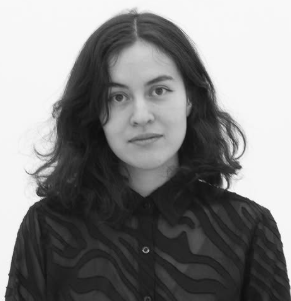
Juana Vargas Moreno is a Colombian artist living in Brooklyn and working in sculpture, installation, and painting. Her practice is rooted in investigating how visual and written language shapes human perception, the way we orientate towards others and our capability to form kinship with them. She graduated in 2020 with a bachelor’s degree in Art from the University of Los Andes. Her work has been exhibited in numerous collective exhibitions in self-managed initiatives, galleries and institutions, including “Una moneda al aire” curated by Ximena Gama in 'Arte Cámara', ARTBO Fair. In 2024, Vargas Moreno started her MFA in Fine Arts at Parsons School of Design, NY.
-
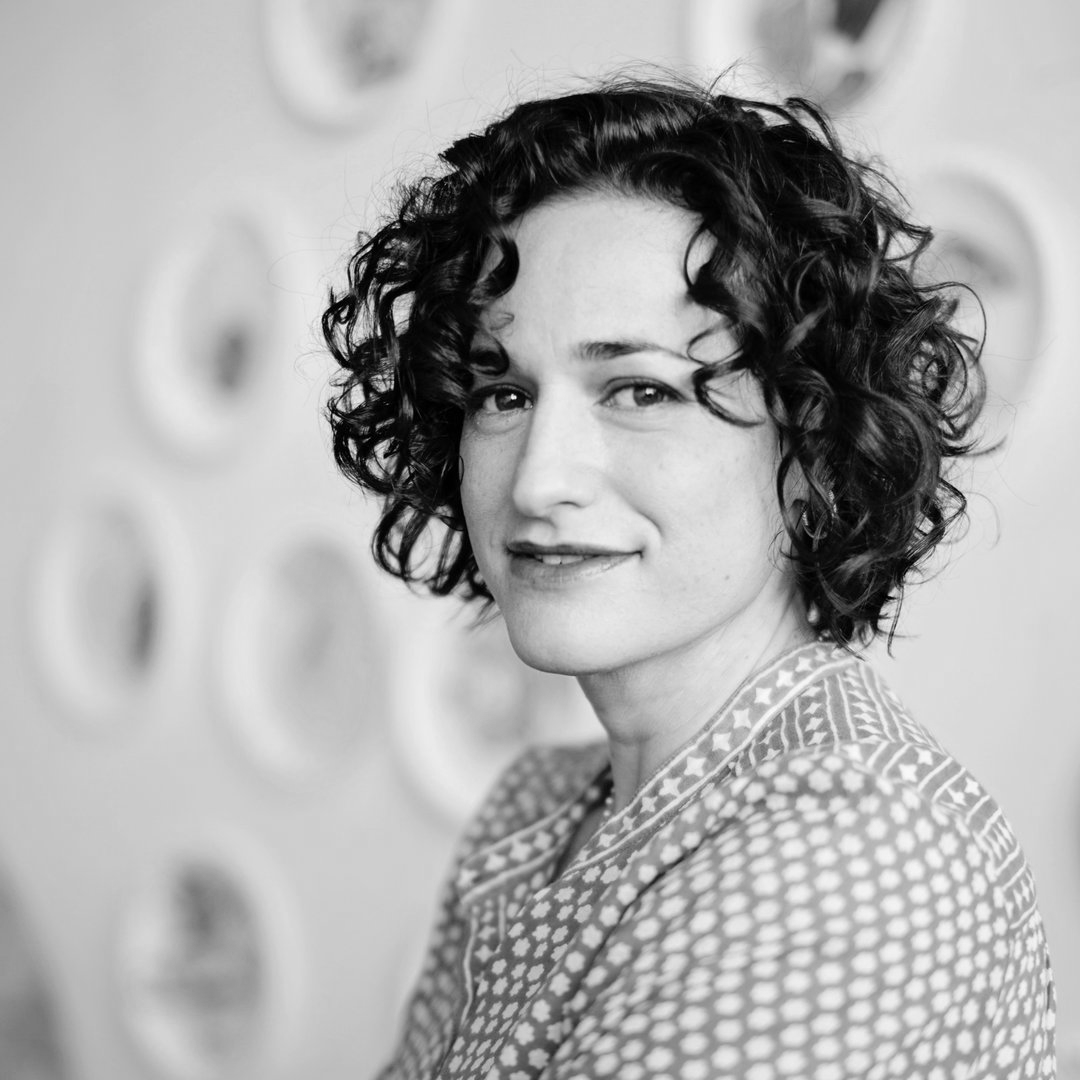
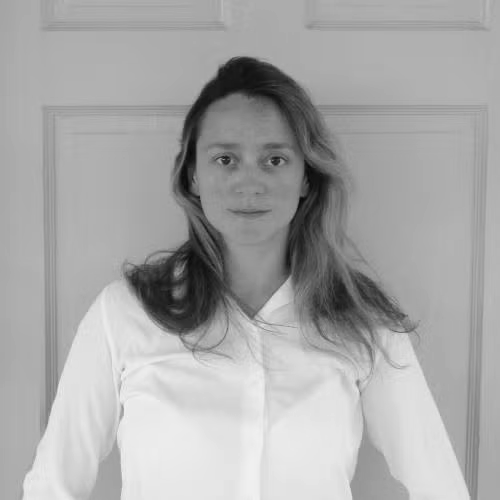
Architectural designer and scholar working at the intersection of architecture and urbanism. My research draws concepts and methods from environmental history, urban political ecology, decolonial studies, and science and technology studies to reconnect architecture and cities with the larger environmental and socio-economic processes that shape them, focusing on Latin America. I also explore visualization and mapping as key means to foreground spatial issues and territorial discussions to broader audiences. The Jaguar Lens project has been awarded a Graham Foundation grant twice, for research and development (2020) and for the production of a travelling exhibition at the University of Texas at Austin in (2024).
-
Justine Woods is a garment-artist, creative scholar, educator, and curator whose research and creative practice explores epistemological, ontological and material complexities in expansive, loving and caring ways. Stretching across fields of study, including but not limited to, fashion studies, performance and embodiment, and research-creation, Justine’s work passionately situates fashion as a pluriversal phenomenon. Her research centres garment-making as a practice-based method of inquiry toward re-stitching alternative worlds that prioritize Indigenous resurgence and liberation.
-
Lindsay K. Campbell is a Research Social Scientist with the USDA Forest Service Northern Research Station at the NYC Urban Field Station. Her research explores environmental governance, civic engagement, and natural resource stewardship with emphasis on environmental and social justice. She is joint PI of the Stewardship Mapping and Assessment Project (STEW-MAP) and co-directs the NaturePLACE Collaborative Arts Program. Author of City of Forests, City of Farms: Sustainability Planning for New York City's Nature, Campbell creates transdisciplinary spaces of collaboration between land managers, scientists, artists, and practitioners to amplify stewards' voices and experiences.
-
Laura Nova is an artist, designer, educator, and activator based on New York's Lower East Side. As the first Public Artist in Residence embedded in NYC's Department for the Aging, she designs participatory projects that enhance social wellness and foster care in public spaces. Currently teaching in the CareLab at The New School and serving as an Urban Field Station Collaborative Arts fellow, Nova creates performances, interactive installations, and festive spectacles that connect generations and diverse communities around public health and the environment, advocating for the care and longevity of humans and trees as kin.
-
KS is a transdisciplinary artist-researcher and Ph.D. candidate at Rensselaer Polytechnic Institute, exploring how life is normatively preserved and extended in ecological and medical contexts, and alternatives made possible from queer standpoints of death and decay. Their process of research-creation critically combines theories of biology, medicine, and thanatology with hands-on biological and ethnographic research, leading to experiential art outcomes. They work directly with biological agents (flies, mold, fungi, bacteria, etc.) to bring forward their roles in our lives and afterlives, and break down our typical relationship of abjection. Resulting pieces incorporate multiple senses (sight, sound, touch) in multiple mediums (video, audio, sculpture, installation) in search of temporal and embodied encounters between human and/or inhuman beings that might shift our relationships to death and decay beyond normative framings. Results may resemble historic technologies, moldering reliquaries, living organisms, toxic fumes, ASMR soundtracks, traumatic flashbacks, surveillance footage, ghosts, monsters, pests, or some combination thereof.
-
Leekyung Kang explores liminal spaces at the intersection of cultural exchange, cosmology, and religious contexts. Through painting, drawing and installation, I uncover hidden realms on earth to disclose historical references from myth to science. Kang's artwork has been featured in numerous exhibitions worldwide, including the Kumho Art Museum in Seoul and the Sanford Underground Research Facility. Additionally, she has participated in several residencies internationally including the Fountainhead fellowship at Virginia Commonwealth University in Qatar, the Frans Masereel Centrum in Belgium, and the Vermont Studio Center. Her work is included in prestigious collections, like the National Museum of Modern and Contemporary Art in Korea, underscoring her impact on contemporary art. In 2024-2025, she has awarded Thomas Chen Crystal Window Fellowship to be the inaugural artist-in- residence at the Queens College School of Arts, has selected in the New Perspective, New Vision program in Busan Museum of Art, South Korea, and The Bronx Museum AIM Fellowship 2025.
-
Martize Brooks is a multidisciplinary artist with a foundation in visual arts and an expanding practice rooted in sound and meditation. Currently a sophomore at The New School, where he studies Fashion Marketing, Martize blends creativity, culture, and storytelling across mediums, with an anticipated graduation in 2028.
His recent work explores sound art as a tool for healing and reflection, using crystal singing bowls to create immersive meditation experiences. Through layered frequencies and intentional soundscapes, Martize aims to cultivate spaces of peace, balance, and emotional grounding. This evolving practice is deeply personal and reflects his commitment to sharing restorative and transformative experiences through art and music.

-
Madeline Brubaker is a Utah and New York based artist-researcher and experiential designer working at the intersection of art, ecology, and social practice. She molds moments of interconnection that make visible our relationships to each other and the earth, exploring waterways and ecosystems through food and myth. A second-year MFA student in the Transdisciplinary Design program at The New School, Mattie crafts embodied experiences that ground us in our relationality by ritualizing the habitual and interrupting expected patterns to create moments of awe and connection.
-
Lisa Schonberg is an ecological sound artist, drummer and composer creating sound and multimedia works based in ecological research. Informed by her background in entomology, she is interested in how sound can reveal and challenge assumptions about insects and other overlooked more-than-humans. Her recent work includes research on ant bioacoustics with Brazilian entomologists in the Amazon, the public sound installation The Insects are Present, the art-book and album Old Growth Playback, and works on fungi, soil, and endangered bees. Schonberg earned a Masters in Environmental Studies at Evergreen State College and a PhD in Electronic Arts at Rensselaer Polytechnic Institute.
-
Maria Celeste Jimenez is a Chilean criminal lawyer with over 30 years of experience in Criminal Law and Animal Rights. She worked 15 years in Chile’s Public Defender’s and Prosecutor’s Offices and specializes in criminal litigation and criminology. A pioneer in Animal Law, she challenged non anthropocentric legal paradigms, publishing influential research in 1999 inspired by Godofredo Stutzin. She holds advanced degrees from the University of Talca, Pompeu Fabra University, and California Western School of Law. A former director of AnimaNaturalis Chile Foundation, she has drafted animal rights legislation, pursued political office, and now teaches across Latin America while serving as an independent expert for the UN Harmony with Nature program.

-
Minakshi is an anthropologist and technologist who designs tools that help people navigate cultural change, identity formation, and prepare for emerging, future technologies. Her AnthroTech Framework translates anthropological insight and technology impact into practical, creative tools and multimedia resources that support organizations, researchers, artists, educators, and communities facing rapid transformation. She has presented at academic salons, markets, and creative technology gatherings, blending anthropology, design, and future thinking.
-
Masumi Kishimoto is a native of Tokyo, Japan. After she moved to NYC and graduated from the Ailey school certificate program, she worked with various choreographers such as Ayako Kurakake, Gregg Goldston, Rachel Cohen, Yana Schnitzler, Daria Fain, Eva Dean in NY, Germany and Japan. She danced with Alisa Fendley’s Fingerprints Projects in 2010.
-
Mason Youngblood is a behavioral scientist and sound artist at Stony Brook University’s Institute for Advanced Computational Science, where he investigates the cultural evolution of communication, cognition, and creativity in both human and non-human animals. His recent research—published in journals like Science and featured by National Geographic and Scientific American—uses computational modeling to reveal the structural complexity and cultural richness of bird and whale songs. Drawing on over a decade of experience in electronic music production and DJing, Youngblood merges generative composition with scientific data to create immersive audio installations. His current work reconstructs the lost voices of endangered and extinct species, inviting audiences to inhabit non-human perspectives and experience the disappearing cultural traditions of the more-than-human world.
-
I am a researcher, educator, capstone student, and practitioner working at the intersections of environmental education and ecological justice. My current research focuses on dismantling extractive tourist economies in occupied island regions, particularly the island where I was born and raised, St. Thomas, ‘U.S. Virgin Islands’ and envisioning alternative economic pathways that ensure sovereign futures for our community. My current community work is focused on co-creating transgenerational workshops between youth and elder land stewards throughout the Virgin Islands, and for Caribbean diaspora here in New York.

-
I'm a Communication Design student in my final semester, currently completing my thesis. My practice is research driven and system oriented, working across editorial design, typography, motion, and experimental visual frameworks. I am interested in how visual language operates structurally and behaviorally and different variations of displacement. My practice blends critical thinking with formal exploration, using design as a way to test ideas and build cohesive, evolving visual systems.
-
Oliver Kellhammer is an artist, activist, writer, and researcher who seeks to demonstrate nature’s surprising ability to recover from damage. Recent work has included developing new biomaterials protocols, researching the psychosocial effects of climate change, planting prehistorically native trees on landscapes impacted by industrial logging, and cataloging the biodiversity of brownfields. He is currently a part-time assistant professor in Sustainable Systems and Product Design Studio at Parsons in NYC, where he has been developing biomaterials fabrication techniques for use in the classroom.
-
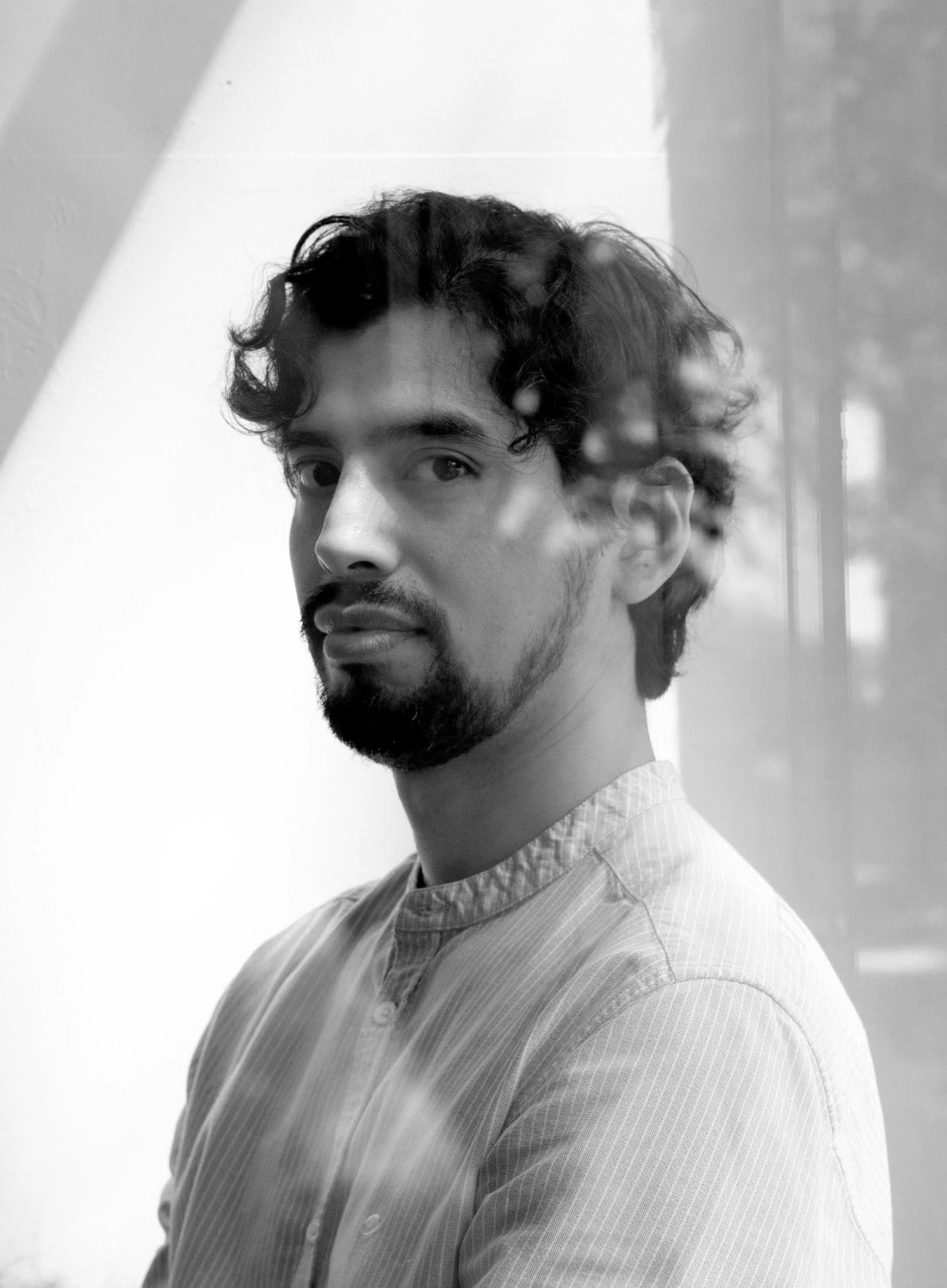
Monica Duncan (she/her) is a video and performance artist. Her time-based work investigates sensory perceptions, queer potentiality, and interconnectedness with our more-than human world. Duncan’s video and performance work has been exhibited Hebbel am Ufer HAU1, Frankfurt Lab, zeitraumexit, Komuna//Warszawa, The Kitchen, Roulette, Atlanta Contemporary, Hallwalls, La Casa Encendida, ZKM, LACMA, Los Angeles Contemporary Exhibitions, Wave Hill, amongst others. She has been a visiting artist at the Atlanta College of Art, Georgia State University, Hunter College, New School, Pratt Institute, Signal Culture, Experimental Television Center, Scena Robocza, Institute for Electronic Arts, PACT Zollverein, LMCC Governors Island and Stoveworks.
-
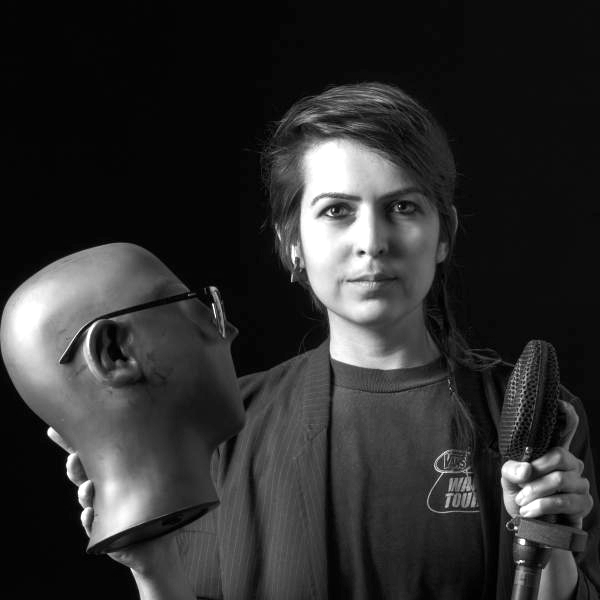
Oscar Salguero is an independent curator and researcher based in Queens, NY. He is the founder of Interspecies Library, the first archive of artists' books exploring alternative interspecies futures. Salguero curated Interspecies Futures [IF] at Center for Book Arts (2021), NEO MINERALIA at Center for Craft (2023). His latest curatorial work is Journal of Therolinguistics, an exhibition exploring the poetic study of nonhuman languages, currently running at Descanso Gardens in California until May 5, 2026.
-
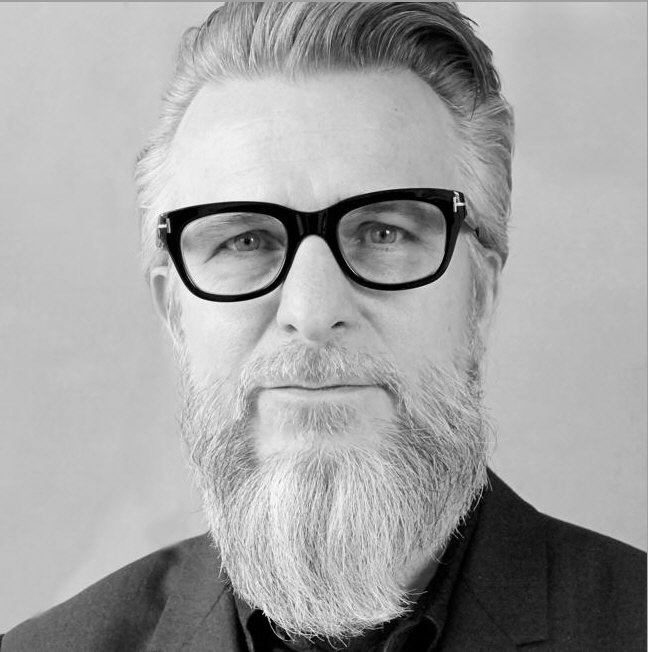
Senem Pirler (she/her) is an artist, sonic improviser, and educator. Pirler’s interdisciplinary work crosses over into sound engineering, sound art, composition, performance, video art, movement, and installation.
Born in Turkey, Pirler studied classical piano at Hacettepe State Conservatory and sound engineering and design at Istanbul Technical University/MIAM. Pirler earned her M.M. in Music Technology the Stephen F. Temmer Tonmeister Honors Track from NYU Steinhardt, and her Ph.D. in Electronic Arts from Rensselaer Polytechnic Institute. Her dissertation’s title was Disruption, Dis/orientation, and Intra-action: Recipes for Creating a Queer Utopia in Audiovisual Space.
Pirler has exhibited and performed work at the Experimental Media and Performing Arts Center/EMPAC (NY), Roulette Intermedium (NY), The Kitchen (NYC), Carnegie Hall (NYC), Southbank Centre (London), Akademie der Künste (Berlin), Los Angeles Philharmonic (LA), Baryshnikov Arts Center (NY), Montalvo Arts Center (CA), Mount Tremper Arts (NY), and Collar Works (NY). Her work has been recognized by institutions such as the Lower Manhattan Cultural Council (LMCC), Harvestworks Digital Media Arts Center, Institute for Electronic Arts, PACT Zollverein, Signal Culture, the Hermitage, and EMS Stockholm.
Pirler has been awarded a NYSCA/NYFA Artist Fellowship in the category of Music/Sound in 2022 and the Malcolm Morse Award to honor the work of Pauline Oliveros and Deep Listening in 2018.
Dr. Pirler joined the University of Chicago in the Fall of 2024 as an Assistant Professor of Composition in the Music Department in the Division of the Humanities. Prior to joining UChicago, Dr. Pirler was a faculty member in Music at Bennington College, overseeing the sound practices and e-music curriculum from 2018 to 2024.
-
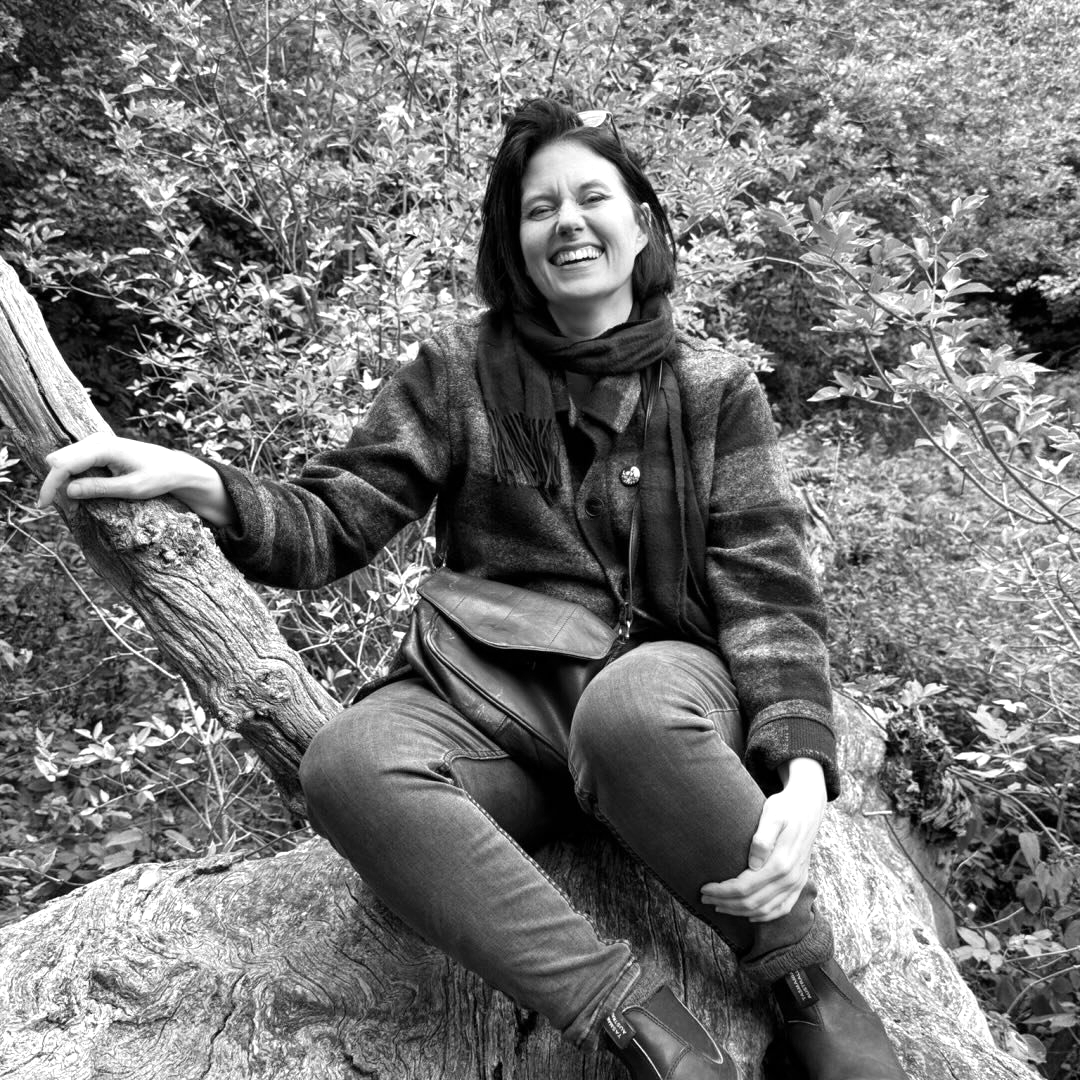
Robert Kirkbride explores the interplay of memory, identity, ornament and placemaking through design, music, writing and teaching. Dr. Kirkbride is Professor of Architecture and Product Design at Parsons School of Design/The New School, where he received the University Distinguished Teaching Award and served as Dean of the School of Constructed Environments (2016-21). Since 1991, Dr. Kirkbride has directed studio 'patafisico, an architectural design atelier, and he is also the Spokesperson and a founding Trustee for PreservationWorks, a non-profit organization advocating the preservation and adaptive reuse of Kirkbride Plan Psychiatric Hospitals. Robert's projects explore the interdependence of physical and mental infrastructures, and consider forms of knowledge and know-how that are often lost or overlooked, including the impressions of memory and habits on our habitats.
-
As an artist, ecologist, and healer I draw upon the humour and vitality of growing up a working-class hippie to re-situate photography, writing and film into expanded, somatic, eco-feminist practices of care. Self-taught in art until 33, I studied Psychology, then Photography, before an MFA in Fine Art at Slade and a Diploma in Environmental Humanities. Activating the aliveness and physicality of light-sensitive materials, I have shown in experimental spaces including LUX, Café Oto, Black Mountain College Museum and Arts Center (BMCM+AC) and frequently teach, speak, and co-curate. My healing practice (+20 years) specialises in embodied approaches to trauma and addiction.
-
Bio-Architect Ph.D, Independent researcher and Material Activist. By adhering to a posthumanist and material feminist approach, I work at the intersection of biomaterials, ecology, and multispecies design. My practice explores DIY biomaterials made from waste as tools to question extractive systems, imagine more-than-human habitats and promote material activism through a transdisciplinary material design approach. I work across art, education, and policy-oriented projects within the bioeconomy. Through workshops, installations, and teaching, I investigate how material practices can become forms of care, resistance, and ecological storytelling.
-
Dr. Suzanne Simard is the New York Times bestselling author of Finding the Mother Tree. She is a Professor of Forest Ecology at the University of British Columbia, where she leads The Mother Tree Project and co-directs the Belowground Ecosystem Group. Dr. Simard has earned a global reputation for pioneering research on tree connectivity and communication and the productivity, health, and biodiversity of forests. Her work has been published widely, with over 170 scientific articles in peer-reviewed journals, including Nature, Ecology, and Global Biology, and she has co-authored the book Climate Change and Variability. Her research has been communicated broadly through three TED Talks, TED Experiences, as well as articles and interviews in The New Yorker, National Geographic, NPR, CNN, and many more.
-
Professor Stacy Alaimo is the Moore Professor in English and Core Faculty Member in Environmental Studies at the University of Oregon. She researches and teaches across the environmental humanities, science studies, animal studies, American literature, cultural studies, gender theory, and critical theory, focusing, more specifically, on developing models of new materialism, material feminisms, environmental justice, and, most recently, the blue (oceanic) humanities. Her work explores the intersections between literary, artistic, political, and philosophical approaches to environmentalism along with the practices and experiences of everyday life.
-
Sophia May is a first-year Illustration major at Parsons who dabbles in all sorts of mediums. From digital art, children's books, and animations, she explores childhood whimsy through fun characters and storytelling. She also loves engaging with her various obsessions. She is currently obsessed with the world of insects and how it's important to coexist with them. Her animation explores the juxtaposition between the simplified creatures and realistic faces with nightmarish colors.
-
Suzanne Thorpe, PhD is a sound artist, performer and scholar. Her creative research couples critical listening with acoustic ecology, improvisation and technology to craft emergent and immersive sound engagements with electronics, field recordings and acoustic instruments. Her soundscapes feature ambient clusters meshed with multi-temporal intensities that produce emergent melodies. With her practice, Thorpe reveals dynamics within human cultures and nature's systems, inviting discourse amongst ourselves and our environment. In this way she supports interspecies empathy, understanding and climate advocacy, with a particular focus on how our sonic experience can inform environmental strategy and policy. She’s performed, exhibited and published internationally, has a significant discography, and has been awarded several grants and residencies. Thorpe holds an MFA from Mills College, a Ph.D. from UC San Diego, and is a certified Deep Listening Instructor, having studied with pioneering composer Pauline Oliveros. After a two-year postdoctoral fellowship at Columbia University, she moved up the road to Manhattan University as Assistant Professor of Sound Studies, where she’s spearheading the burgeoning MU Sound Studies Lab.
-
As a conceptual artist working across performance, textile, and mixed media, I explore sensitivity and connection—between self and other, individual and collective, body and place. My practice spans participatory projects, two- and three-dimensional works, and large-scale durational performances, all guided by a desire to examine how we relate and respond to one another and to our environments.
Yana Schnitzler HUMAN KINETICS has been presented at major museums, festivals, and cultural events across the US and Europe.
-
As a bio-designer, I am passionate about healing our relationship with nature through the integration of traditional textile craft techniques and bio-based materials that uplifts the collaboration between art, science and community. I ground my work in my passion of vermicomposting: a naturally-occuring, circular, “soil-to-soil” system where nutrients flow in a regenerative cycle. Although industry applications are necessary interventions in our current destructive consumer culture, I believe that an entire shift in our cosmology (to one that is intrinsically non-exploitive) is the only way to truly address the fundamental issue of climate change.
-
Zoë Schlanger is an award-winning journalist and author of The Light Eaters, a New York Times bestselling book about the world of plant intelligence research, published by HarperCollins in 2024 and translated into more than 20 languages. She was previously a staff writer at The Atlantic, where she covered climate change.